
Guilherme S. L. Fabris · Raphael B. de Oliveira · Bruno Ipaves · Marcelo L. Pereira Júnior · Douglas S. Galvão


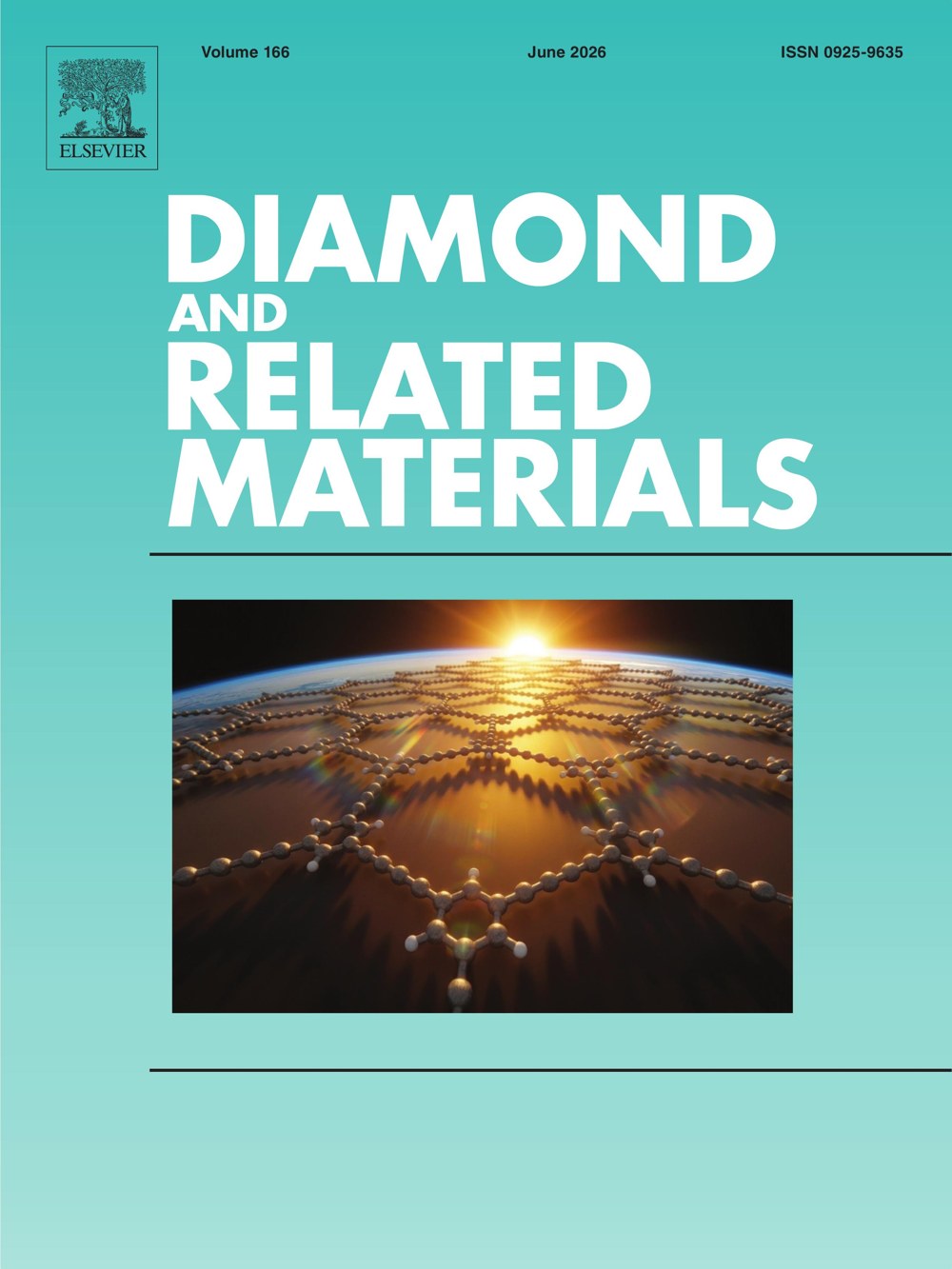
Recent progress in porous carbon materials has highlighted the importance of structural design in controlling emergent physicochemical properties. In this context, hydrogen-substituted graphdiyne (HsGDY), a three-dimensional framework derived from graphdiyne, has recently emerged as a promising architecture whose stacking-dependent behavior remains largely unexplored. Here, we present a comprehensive first-principles investigation of the structural, electronic, and optical properties of HsGDY across distinct stacking sequences. Our calculations identify the AA and ABC configurations as the most energetically favorable, with AA corresponding to the global minimum consistent with recent experimental observations. Electronic-structure analysis with both semilocal and screened hybrid functionals indicates that HsGDY is an indirect semiconductor. For the highly stable AA configuration, the fundamental band gap reaches 1.37 eV at the HSE06 level. This semiconducting behavior is primarily driven by modifications to the π -conjugated carbon network and by lattice symmetry breaking, rather than by direct hydrogen orbital contributions. The optical response exhibits pronounced absorption features spanning the visible to ultraviolet regions highlighting strong potential for optoelectronic applications. Ab initio molecular dynamics simulations at 700 K confirm the thermal robustness of the framework with negligible structural distortions. Collectively these findings elucidate the stacking dependent stability and semiconducting character of HsGDY providing a solid theoretical foundation for its integration into next generation nanoelectronic and energy harvesting technologies.
DIAMOND AND RELATED MATERIALS, 2026 · Fator de impacto 5,2.
DOI 10.1016/j.diamond.2026.113687